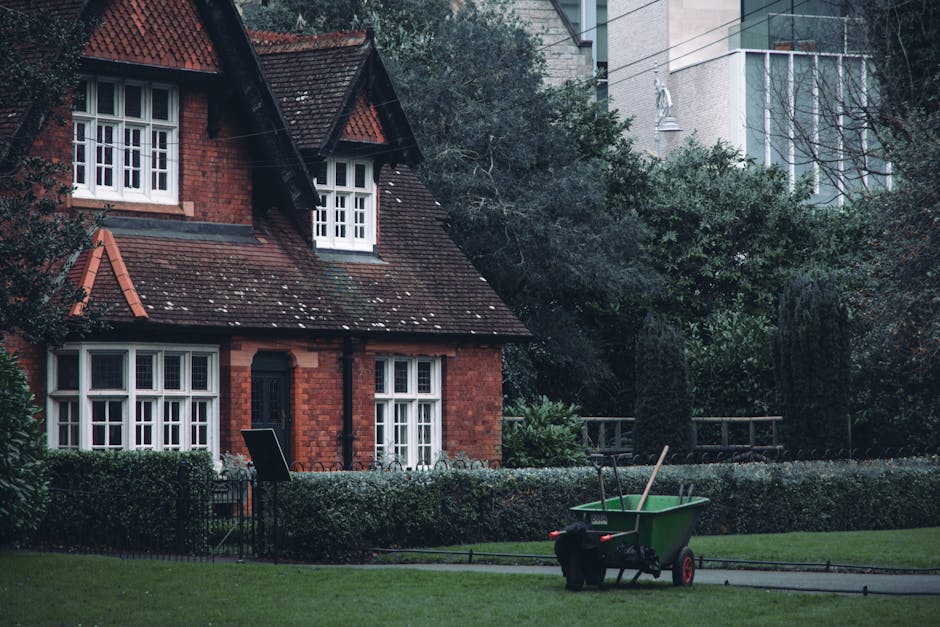
Whitechapel Road Garden Maintenance Guide for Terraced Homes
If you live in a terraced home near Whitechapel Road, you already know the garden can be a blessing and a bit of a puzzle. Space is tight, privacy is precious, and one wet week can make a tiny patch feel unruly fast. This Whitechapel Road garden maintenance guide for terraced homes is here to make the whole thing simpler: what matters, what to do first, what to avoid, and how to keep a compact urban garden looking neat without turning every weekend into a chore.
Terraced gardens often need a different approach from larger suburban plots. Paths are narrow, boundaries are close, access can be awkward, and the back garden may be used for everything from children's play to a small seating area and a few pots. The good news? With a sensible routine, you can keep it tidy, usable, and healthy all year round. Truth be told, a small garden often rewards consistency more than heroic effort.
Below, you'll find a practical, no-nonsense guide built for real homes, real weather, and real time pressures. We'll cover how maintenance works, the most useful tasks, the common mistakes people make, and when a professional service may be the easier option.
Why Whitechapel Road garden maintenance guide for terraced homes Matters
Terraced homes in this part of London often deal with the same set of pressures: limited garden width, shade from neighbouring buildings, compact storage, and a constant tug-of-war between beauty and practicality. That makes maintenance less about "perfect gardening" and more about keeping the space clean, manageable, and genuinely enjoyable to use.
When a terraced garden is neglected, the problems tend to show up quickly. Slippery paths, overgrown edges, blocked drains, tired lawn patches, and cluttered corners all make a small garden feel smaller. In contrast, even a modest maintenance routine can make the garden feel brighter, longer, and more welcoming. You notice it when you step outside with a cup of tea on a damp morning and the space still feels calm, not crowded.
This matters for day-to-day living too. A neat garden is easier to keep safe, easier to share with family, and easier to enjoy without that nagging feeling that there's "something to sort out at some point." Let's face it, that feeling alone can stop people using a garden at all.
There's also a practical side. Regular upkeep helps you spot issues early, whether that's a fence leaning a little too far, a shrub blocking light, or a patch of soil that stays soggy after rain. Early fixes are usually easier and cheaper than letting things build up.
If you prefer a scheduled approach, a dedicated garden maintenance service can help keep everything on track without turning your weekends into a second job.
Expert summary: In terraced gardens, maintenance is not about making the space busy with work. It is about creating a repeatable rhythm: clear, trim, tidy, check, repeat. That simple pattern does more than most people think.
How Whitechapel Road garden maintenance guide for terraced homes Works
Good garden maintenance follows a cycle rather than a one-off overhaul. In a terraced setting, the cycle usually starts with visibility. First you clear what is in the way, then you assess the growing areas, then you choose the right tasks for the season.
Here's the basic flow:
- Inspect the space for overgrowth, debris, weeds, drainage issues, and any damage.
- Clear access routes so paths, steps, and storage areas are safe to move through.
- Cut back and tidy hedges, climbers, borders, and soft growth that is crowding the space.
- Manage the lawn or paving depending on what the garden actually has.
- Refresh planting areas with feeding, mulching, or replanting as needed.
- Check finishes and boundaries such as fencing, decking, and edging.
- Dispose of waste properly so cuttings and rubbish do not just sit there for another month.
The method changes a bit depending on whether your garden is mostly lawn, mostly paving, or a mix of both. A narrow strip of grass behind a terrace, for example, usually needs more care around moss, shade, and drainage than a wider open lawn. A paved courtyard needs more attention on joints, weeds, and cleaning than mowing.
For heavy seasonal jobs, such as clearing after a long neglected period, it can make sense to combine maintenance with garden clearance. That is often the smarter move when the garden has crossed the line from "needs a tidy" to "needs a proper reset."
Small urban gardens also benefit from structured tasks like lawn mowing and hedge trimming, because these are the jobs that quickly define whether the space feels cared for or forgotten.
Key Benefits and Practical Advantages
There are obvious visual benefits to regular maintenance, but the real value goes deeper than appearance. A well-kept terraced garden gives you more useable space, less stress, and fewer surprise problems.
- Better use of limited space: tidy edges and controlled growth make a small garden feel bigger.
- Safer movement: clear paths and checked surfaces reduce the chance of slips, trips, and awkward access.
- Healthier planting: regular pruning, feeding, and watering patterns help plants do better with less drama.
- Less weekend catch-up: smaller tasks done often are easier than one giant rescue mission.
- Improved privacy: managed hedges, climbers, and boundary planting help soften close neighbours without letting growth run wild.
- Better first impressions: whether it is for visitors, tenants, buyers, or simply your own peace of mind, a tidy garden changes the whole feel of the property.
There's a less obvious benefit too: maintenance helps you notice what you actually want from the garden. Do you need more seating? Less lawn and more planting? Better screening? Once the clutter comes under control, those decisions become easier.
If you are thinking about a broader refresh, landscape gardening and landscaping can support longer-term improvements that make a terraced garden easier to maintain in the first place.
Who This Is For and When It Makes Sense
This guide is especially useful if you live in a terraced house with a small rear garden, a courtyard, a narrow side return, or a compact front patch that picks up leaves, litter, and weeds quickly. It is also helpful if you rent out the property, manage a household with little spare time, or simply want a better routine without overcomplicating things.
It makes sense when:
- the garden is used regularly, even if only for sitting out, hanging washing, or storing bins;
- the planting has become unbalanced or overgrown;
- the lawn is patchy, mossy, or difficult to mow;
- hedges or shrubs are starting to block light;
- you want to prepare the garden for spring, summer hosting, or a property sale;
- you keep meaning to sort it, but the list grows every time you look out the window.
A lot of people only realise they need proper maintenance once the garden has started to feel like a barrier rather than a benefit. That's usually the point where a straightforward upkeep plan, or a professional visit, becomes worth it.
If you want to see the range of support available, the services overview is a good place to understand how different tasks fit together. And if you want to know who is behind the work, the about us page gives a better sense of the team and approach.
Step-by-Step Guidance
Here is a practical routine you can follow for a terraced home garden on or near Whitechapel Road. It is flexible, because gardens are never as tidy in real life as they are in magazine photos. Funny that.
1. Start with a full walk-through
Walk the space slowly. Look for weeds, broken pots, dead growth, moss, blocked corners, loose paving, and anything that is making access harder than it should be. If you have to step around three things to reach one thing, the layout probably needs simplifying.
2. Remove obvious clutter first
Pick up fallen leaves, old plant labels, empty compost bags, broken canes, and anything else that has drifted into "temporary storage" mode. A clean starting point makes the rest easier and less frustrating.
3. Cut back overgrowth in the right order
Work from the top down: climbers, hedges, shrubs, then border edges, then any lawn or paving finish. If you do the lawn first, you will only cover it in cuttings. Classic mistake.
4. Deal with weeds properly
Remove weeds from borders, paving joints, and path edges. In a terraced garden, weed growth often reappears in the same places because of shade and damp. That is normal. The trick is to stay consistent, not chase perfection every week.
5. Tidy and define edges
Sharp borders and clean edges make a small garden look more deliberate. Even a simple border line can lift the whole space. It sounds small, but it matters.
6. Check plants for health and balance
Look for yellowing leaves, bare stems, overcrowding, and plants that are getting too large for the space. In compact gardens, plant choice and placement can be as important as care. One oversized shrub can dominate the whole plot.
7. Review surfaces and structure
Check decking, steps, walls, fences, and paved areas for wear or movement. If you have timber features, keeping them clean and free from trapped debris helps them last longer. For timber improvements or replacements, you may also want to explore decking services.
8. Finish with waste removal
Bag up green waste and remove it promptly. Don't leave it "for later" unless you enjoy redoing the job. If the mess is too much for normal bins or bags, a larger clearance may be more practical.
Expert Tips for Better Results
Here are the little things that make a big difference in terraced gardens.
- Work with the light: if one side of the garden gets more sun, place more demanding plants there and keep shade-loving varieties in the darker area.
- Use vertical space: trellises, wall planters, and climbers help you keep ground space free.
- Choose simple planting groups: three or four repeating plant types often look tidier than lots of random pots.
- Keep tools accessible: when tools are buried in a shed or hallway cupboard, maintenance becomes a much bigger effort than it should be.
- Trim little and often: a few minutes every week beats a full-day rescue job every six weeks.
- Watch drainage after rain: terraced gardens can collect water in low spots, especially in old urban plots where paving and soil meet awkwardly.
One practical habit we like is doing a quick five-minute check after rain. You can learn a lot in that short moment: where water sits, where soil splashes, where moss grows first, and which plants are getting battered by wind. It is not glamorous, but it tells you a lot.
If upkeep has started to feel repetitive, a regular garden maintenance visit can take the pressure off and keep standards steady without constant catching up.
Common Mistakes to Avoid
Most garden problems in terraced homes are not caused by bad luck. They usually come from small oversights that keep repeating.
- Letting one job spread into five: for example, ignoring a hedge until it shades the lawn, traps damp, and sheds debris everywhere.
- Overwatering shaded areas: many compact gardens already stay damp for longer than people expect.
- Using the wrong plant size: a plant that looks small in a pot can become a nuisance in a narrow bed.
- Leaving waste in piles: cuttings left sitting around can smell, rot, and attract pests. Not ideal.
- Ignoring edges and joints: weeds in paving and border lines make the whole garden look unfinished.
- Trying to do everything at once: this usually ends with half-finished work and sore shoulders.
Another common issue is assuming a small garden needs less planning because it is small. The opposite can be true. Space is limited, so every inch matters more. That is especially noticeable when you want seating, storage, and planting all in one place.
Tools, Resources and Recommendations
You do not need an enormous kit to maintain a terraced garden well. In fact, keeping the toolkit lean often works better.
| Task | Useful tool or approach | Why it helps in a terraced garden |
|---|---|---|
| General tidy-up | Rake, gloves, sturdy bags | Makes quick clear-downs easy and keeps narrow spaces uncluttered |
| Grass care | Lightweight mower or regular mowing service | Smaller lawns are easier to manage with simple, consistent cuts |
| Boundary control | Hand shears or hedge trimmer | Helps keep hedges, climbers, and shrubs from crowding the plot |
| Weed control | Hoe, hand fork, or manual removal | Useful for paving joints and border edges where weeds return quickly |
| Surface cleaning | Brush and gentle wash method | Removes dirt and algae without making surfaces slippery |
| Bulk jobs | Professional clearance support | Best when the garden has too much cut material or waste to handle in one go |
If your garden is not just untidy but heavily built up, a proper garden clearance can reset it far more efficiently than piecemeal effort.
For advice on waste handling and greener practices, the site's recycling and sustainability page is useful. It is a sensible reminder that garden waste should be handled thoughtfully, especially when you are clearing a lot at once.
Law, Compliance, Standards, or Best Practice
Garden maintenance in a terraced home is usually straightforward, but there are a few best-practice points worth keeping in mind. They are not dramatic, just sensible.
If you are trimming near boundaries, trees, fences, or shared structures, take care not to damage property that is not yours. In terrace settings, that can mean checking where the boundary line actually sits before major cutting begins. If something looks uncertain, slow down and confirm it first.
With taller shrubs or small trees, safety matters. Heavy branches, leaning trunks, and overextended growth can create risks when cut without the right approach. For larger or awkward jobs, it is often better to look at tree lopping and removal rather than treating the work as a basic tidy-up.
On the practical side, good housekeeping standards apply across the board: keep paths clear, remove waste responsibly, use appropriate tools, and avoid creating hazards for neighbours, visitors, or passers-by. If contractors are doing the work, it is fair to expect a tidy finish and responsible site conduct.
For readers who want reassurance about working practices, the site's health and safety policy and insurance and safety information can help set expectations. That kind of transparency is a good sign. Plain and simple.
Options, Methods, or Comparison Table
There is more than one way to keep a terraced garden under control. The right method depends on time, garden size, and how quickly things grow back in your specific space.
| Approach | Best for | Strengths | Limitations |
|---|---|---|---|
| DIY weekly upkeep | Small, manageable gardens | Low cost, flexible, easy to stay on top of minor issues | Can slip if life gets busy |
| Seasonal deep tidy | Gardens that only need occasional reset | Good for clearing backlogs and starting fresh | Problems may reappear if nothing follows it up |
| Routine professional maintenance | Busy households or fast-growing gardens | Consistent, less stressful, good finish quality | Ongoing cost, though often easier to budget for |
| Mixed approach | Most terraced homes | Homeowner handles light tasks; pros handle heavier jobs | Needs a clear plan so work does not overlap awkwardly |
For many households, the mixed approach wins. You can keep on top of the easy bits yourself, then bring in support when the hedge has got ambitious, the lawn needs a proper reset, or the whole garden needs a stronger seasonal clean-up.
If pricing is on your mind, the pricing and quotes page is the place to understand how the service side is usually approached. And if you want a straightforward conversation about what your garden actually needs, the contact us page is there when you are ready.
Case Study or Real-World Example
Imagine a classic terraced garden behind a Whitechapel Road property: a narrow rectangular space, a patch of lawn near the house, a paved section at the back, and a hedge that has gradually crept wider over the year. Nothing unusual. The sort of garden that starts with good intentions and then, well, life happens.
At first glance it looks like a one-hour tidy. But once the work starts, a few things become clear. The hedge is stealing light, weeds are settling into the paving joints, and the lawn is struggling because the shaded end stays damp. The seating area is usable, but only just, because dead leaves and clipped growth keep collecting under the chairs.
The solution is not just "cut everything back." It is a sequence. Clear the debris. Reduce the hedge carefully. Mow and edge the lawn. Remove the weeds properly. Wash down the paved area. Then step back and decide whether the garden needs a better planting arrangement next season so the same issues do not return as quickly.
That sort of job is common in terraced homes because the space has to work hard. Once the structure is tidied, the garden often feels twice as useful, even if nothing dramatic changed. A little more light. A little less clutter. Suddenly it breathes again.
Practical Checklist
Use this quick checklist for regular maintenance in a terraced home garden:
- Check for weeds in borders, paths, and paving joints.
- Trim back hedges, climbers, and overlong stems.
- Cut the lawn if grass is present and remove clippings.
- Clear leaves, twigs, and loose debris from corners.
- Inspect paths, steps, decking, and edging for damage or slipperiness.
- Look for drainage problems after rain.
- Water containers and beds according to season, not habit alone.
- Remove dead plants and refresh tired compost.
- Bag up green waste and dispose of it properly.
- Decide whether the next job is a light tidy, a deeper clearance, or specialist support.
Quick takeaway: in a small terraced garden, consistency beats intensity. Keep the routine manageable, and the space stays useful for much longer.
Get a free quote today and see how much you can save.
Conclusion
A terraced garden on Whitechapel Road does not need to be large to be lovely. It just needs steady, realistic care. If you clear the clutter, control the growth, and keep an eye on the practical details, the garden becomes easier to enjoy and much easier to live with.
The key is to work with the space, not against it. Choose a routine you can actually maintain. Deal with the awkward jobs before they become big ones. And if the garden has slipped beyond a quick tidy, there is nothing wrong with bringing in help. That is often the sensible choice, not the last resort.
For many homeowners, a compact garden becomes one of the nicest parts of the house once it is under control. A calm patch of green, a few pots, a chair in the sun when London weather behaves for ten minutes - that is enough, really.
Ready to take the pressure off and get your terraced garden back into shape?
Frequently Asked Questions
How often should a terraced home garden be maintained?
Most terraced gardens benefit from light attention every week or two, with a deeper tidy once a season. If the garden has fast-growing hedges or a lawn, more frequent upkeep usually works better than long gaps.
What is the best way to maintain a small garden on Whitechapel Road?
Keep the routine simple: clear debris, trim growth early, manage weeds, and stay on top of lawn or paving care. In small spaces, tidiness and structure matter as much as planting.
Is professional garden maintenance worth it for a terraced house?
Yes, especially if you have limited time, awkward access, or a garden that grows back fast after rain or shade. Professional help can prevent the occasional "full rescue weekend," which nobody really enjoys.
What tasks are included in regular garden maintenance?
Typical maintenance may include mowing, hedge trimming, weeding, pruning, clearing leaves, checking plant health, and tidying borders or paths. The exact mix depends on the garden and the season.
When should I book garden clearance instead of regular maintenance?
If the garden is heavily overgrown, full of waste, or has not been touched for a while, clearance is usually more appropriate. Maintenance is for keeping things in check; clearance is for starting fresh.
How do I stop weeds from returning so quickly?
Remove weeds early, keep paving joints clean, and avoid leaving bare soil exposed for too long. A tidy edge and regular checks are often more effective than occasional big efforts.
What should I do about a shaded lawn in a terraced garden?
Shaded lawns often need lighter mowing, sensible watering, and realistic expectations. In some cases, reducing lawn area and adding more low-maintenance planting may work better than forcing grass to thrive where it is struggling.
Can decking be part of a low-maintenance terrace garden?
Yes, decking can create a useful sitting area and reduce the amount of planting you need to manage. Just remember it still needs cleaning and checking so it does not become slippery or tired-looking. If you are considering it, decking services may be worth a look.
What are the main safety issues in small urban gardens?
Common issues include slippery surfaces, uneven paving, unstable fencing, and awkward access when carrying tools or waste. Keeping the space clear and checking finishes regularly goes a long way.
How can I make my terraced garden feel bigger?
Use lighter planting, keep the edges clean, avoid overcrowding, and make sure pathways are open and obvious. Vertical planting can help too. A small garden can feel surprisingly spacious when the layout is calm.
Do I need to worry about waste disposal after garden work?
Yes, because piles of cuttings can become messy quickly in a small space. Bag waste promptly and remove it as soon as possible. If there is too much to handle easily, a larger clearance job may be the better answer.
How do I choose between DIY care and hiring help?
If you enjoy small regular tasks and the garden stays manageable, DIY can work well. If the work keeps building up, access is awkward, or you simply want a more reliable finish, professional support usually makes life easier.