Whitechapel gardeners same day service and emergency callouts: fast local help when the garden can't wait
If your outdoor space has gone from manageable to messy overnight, you are not alone. A fallen branch blocking the path, a storm-battered fence, an overgrown front garden before visitors arrive, or a sudden safety issue can all turn into a same-day problem very quickly. That is where Whitechapel gardeners same day service and emergency callouts come in: practical, local help for situations that need attention now, not next week.
This guide explains what that service actually covers, when it makes sense, how to prepare for a fast response, and what to expect from a trustworthy local team. It also covers the small details people often miss, like access, waste removal, safety checks, and realistic timing in a busy part of London. Truth be told, when a job is urgent, clarity matters more than fancy promises.
For a broader look at the range of work a local team can handle, you may also find the services overview useful. And if you want to understand the people behind the work, take a look at the about us page as well.
Table of Contents
- Why Whitechapel gardeners same day service and emergency callouts Matters
- How Whitechapel gardeners same day service and emergency callouts Works
- Key Benefits and Practical Advantages
- Who This Is For and When It Makes Sense
- Step-by-Step Guidance
- Expert Tips for Better Results
- Common Mistakes to Avoid
- Tools, Resources and Recommendations
- Law, Compliance, Standards, or Best Practice
- Options, Methods, or Comparison Table
- Case Study or Real-World Example
- Practical Checklist
- Conclusion
- Frequently Asked Questions
Why Whitechapel gardeners same day service and emergency callouts Matters
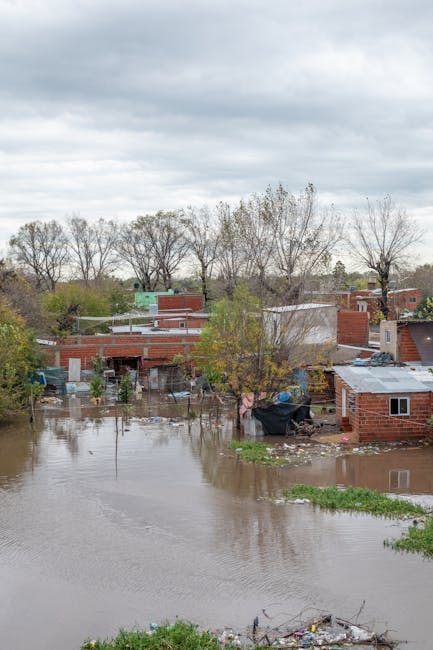
Garden problems do not always behave politely. One windy evening in Whitechapel and you may wake up to a broken trellis, a tree limb across the drive, soggy turf turned into a slip risk, or hedging that suddenly makes your entrance feel unsafe and hard to use. In a densely built area, that can affect neighbours, delivery access, tenants, customers, or simply your own ability to get in and out of the property.
Same-day gardening support matters because it reduces the gap between the problem appearing and the problem being made safe. That gap is where accidents happen, damage spreads, and stress builds. Emergency callouts are not just about tidying; they are often about removing immediate hazards, restoring access, and stopping a small issue from becoming a bigger bill later on.
There is also a local reality here. Whitechapel gardens are often compact, shared, or awkwardly accessed. Narrow side passages, basement steps, front courtyards, and roof terraces can all complicate a job. A team used to these conditions will usually work more efficiently because they understand the practical squeeze of East London properties. To be fair, that kind of experience can save a lot of time on the day.
Key point: if the problem is urgent, the best response is not always the biggest response. It is the quickest safe response.
How Whitechapel gardeners same day service and emergency callouts Works
Emergency gardening support usually follows a simple pattern. You explain the issue, the team assesses urgency, they confirm timing, and then they arrive with the right tools and plan. The exact process can vary, but a good local service should keep things straightforward.
In practice, the callout often starts with a short conversation about what has happened, where the property is, and whether there are any immediate dangers. For example, if a branch is hanging over a path or a fence panel has blown loose, the priority may be to make the area safe before any full repair or tidy-up work begins. That is normal.
Here is what typically affects same-day response:
- Urgency: safety hazards, blocked access, and storm damage are usually prioritised.
- Location: central London access, parking, and loading can affect arrival times.
- Scope: a quick clearance is easier to fit in than a major overgrown-garden restore.
- Materials needed: if a job needs extra tools or waste handling, that may affect timing.
- Day and time: evenings and weekends can be more limited, depending on availability.
It helps to think of an emergency callout as a response service, not just a standard gardening appointment moved earlier. The job may be partly about judgement: what must be done now, what can wait, and what should be escalated. That judgement is often the difference between a tidy outcome and a rushed one.
If you are comparing providers, it is worth checking practical details such as pricing and quotes and the company's insurance and safety approach before you book. Those pages can give you a clearer sense of what is covered and how the work is handled.
Key Benefits and Practical Advantages
The biggest benefit is obvious: speed. But there are several other advantages that matter just as much when the job is urgent.
1. Reduced risk of accidents
Loose branches, slippery moss, unstable edging, and debris in access routes can create avoidable hazards. A fast response helps keep people safe, especially where children, older residents, or visitors are involved.
2. Less damage to the property
Storm damage does not sit still. Wind can worsen a broken fence. Water can pool behind blocked drains or overgrown borders. A same-day visit can stop the issue spreading. That is often the difference between a manageable repair and a mess of follow-on work.
3. Better access and usability
Sometimes the issue is not dramatic, just inconvenient. A front path blocked by hedge growth, a gate that will not open properly, or brambles leaning into an alley can all make a property awkward to live in. A quick clearance makes daily life easier. Simple, but effective.
4. Less stress
Let's face it, urgency makes even minor jobs feel bigger. Having a competent gardener turn up on the same day gives you a plan. And a plan is calming.
5. Stronger first impression
If you are preparing a rental, a sale, a family event, or a business entrance, a same-day tidy-up can make the site presentable fast. That does not mean perfection. It means controlled, safe, and respectable.
6. More practical decision-making
With emergency support, you can address the immediate issue now and arrange deeper work later. That staged approach is often more sensible than trying to do everything at once.
In urgent gardening work, the best result is often not the most elaborate one. It is the one that restores safety, access, and peace of mind without unnecessary delay.
Who This Is For and When It Makes Sense
Whitechapel gardeners same day service and emergency callouts are not just for major storms. They are for anyone facing a garden-related issue that cannot reasonably wait.
This service may be right for you if you are:
- a homeowner dealing with a sudden garden hazard
- a landlord needing a quick clearance between tenancies
- a property manager responding to tenant access issues
- a business owner wanting a presentable frontage before opening hours
- a resident preparing for guests, inspections, or scheduled works
- someone who has inherited an overgrown plot and needs immediate control
It makes sense when the issue affects safety, access, neighbours, or time-sensitive presentation. If the work is more about routine upkeep, a standard booked visit may be better value. If the work is urgent and small enough to be handled quickly, same-day support is usually the right move.
A realistic example: a tenant reports that a blown-down fence panel is leaning into a shared passage. You probably do not want to wait until next week. The faster that is assessed, the easier it is to keep everyone calm and the area usable. Small job, big annoyance.
Step-by-Step Guidance
If you need emergency gardening help, a clear process makes everything easier. Here is a practical way to approach it.
- Identify the urgent issue. Note exactly what has happened. Is it a broken branch, blocked access, unsafe hedge, storm debris, or a general overgrowth problem?
- Check for immediate danger. If anything looks unstable or could fall, keep people away from the area until it is assessed.
- Take a few photos if safe to do so. This helps explain the issue quickly. It also avoids back-and-forth when time matters.
- Be clear about access. Mention gates, side entrances, parking restrictions, steps, or anything that might affect arrival.
- Explain what outcome you need today. For instance: safe clearance, path reopening, hedge reduction, debris removal, or temporary stabilisation.
- Confirm timing and scope. Same-day does not always mean immediate. Ask what can realistically be done in the time available.
- Prepare the area. Move cars if possible, unlock gates, secure pets, and clear small obstacles from the work zone.
- Review the plan on arrival. A good gardener should explain what they will do first and any limits of the visit.
- Check the finish. Make sure access routes are clear, hazards are removed, and you understand any follow-up work needed.
A small note, but an important one: if the issue is truly dangerous, do not spend ages photographing it, measuring it, or second-guessing it. Make the area safe first. The paperwork can wait a bit.
Expert Tips for Better Results
Over the years, the jobs that go smoothly tend to have one thing in common: the client gives clear, calm information upfront. That is much more useful than panic, though panic is completely understandable.
Here are a few tips that genuinely help:
- Describe the worst part first. If a tree limb is hanging low or a gate is blocked, say that before mentioning smaller issues.
- Be honest about access. If the only route in is narrow or shared, say so. It helps the team arrive prepared.
- Separate urgent from non-urgent tasks. Emergency visits work best when the immediate priority is obvious.
- Ask what can be done safely today. Sometimes a temporary make-safe is the smartest short-term solution.
- Keep waste handling in mind. Green waste, timber, and mixed debris may need different handling depending on the job.
- Book follow-up work early. If the emergency clears the problem but leaves the garden needing full attention, get the next visit pencilled in.
One more practical point: if your garden has recurring issues, such as a hedge that keeps encroaching or a tree that sheds heavily in bad weather, it may be better to move from reactive callouts to a maintenance schedule. Not glamorous, admittedly, but far less stressful.
For people who want to understand standards around tidy, responsible work, the health and safety policy and recycling and sustainability pages are worth reading. They help show how a professional team thinks beyond the immediate fix.
Common Mistakes to Avoid
Urgent jobs are where rushed decisions can backfire. A few common mistakes show up again and again.
- Waiting too long to act. If something is unstable, delaying can make the job more difficult and more expensive.
- Choosing only on speed. Fast is good. Safe and capable is better.
- Not explaining the access conditions. This can waste time and complicate the visit.
- Assuming every issue is a simple tidy-up. Some callouts need stabilising, pruning, or careful clearance rather than just cutting everything back.
- Ignoring neighbour impact. Overhanging branches, shared routes, and boundary issues can create friction if handled casually.
- Skipping a clear quote or scope. Even in an emergency, you should know what is being done and what is not.
There is also a quieter mistake: expecting a same-day emergency service to turn into a full garden redesign. That rarely works well. Emergency work is about control, access, and safety first. The rest can come later. A bit boring? Maybe. Sensible? Definitely.
Tools, Resources and Recommendations
A good emergency gardening visit is often shaped by the tools and preparation behind it. You do not need to know every piece of kit, but it helps to understand what is usually involved.
Common tools and equipment may include:
- secateurs and loppers for quick pruning
- hedge trimmers for overgrowth control
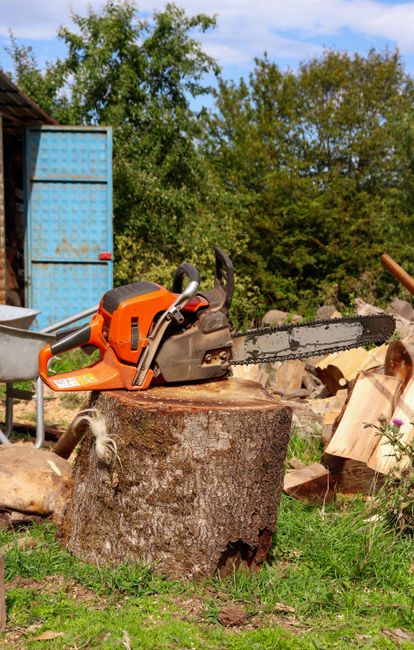
- saws for larger branches or broken timber
- tarpaulins and sack systems for debris management
- gloves, eye protection, and sturdy workwear
- basic stabilising materials where temporary make-safe work is needed
From a customer point of view, the most useful resources are the ones that help you choose well and avoid surprises. That means checking the provider's pricing and quotes, understanding the payment and security approach, and reading the terms and conditions so you know the basics before work starts.
If you value transparent communication and a straightforward point of contact, the contact us page is the most direct next step. Sometimes the fastest way to solve an urgent problem is just to ask the right question quickly. Oddly enough, that works rather well.
Law, Compliance, Standards, or Best Practice
Emergency gardening work sits in a practical space where safety, neighbour relations, and responsible site conduct matter. It is not usually a highly regulated service in the way some trades are, but that does not mean standards should be loose. In fact, the opposite is true.
Best practice usually includes:
- working with appropriate insurance
- using safe manual handling and lifting methods
- keeping paths, entrances, and work zones as clear as possible
- avoiding unnecessary damage to plants, walls, fencing, and shared areas
- separating green waste and removing it responsibly where agreed
- being careful around children, pets, and neighbouring properties
If a job involves unstable branches, slippery surfaces, or heavier clearance, a sensible provider should treat safety as part of the work, not as an afterthought. That is one reason the insurance and safety page is useful. It helps set expectations in plain English.
Customers also benefit from clear service processes. If things ever go wrong, it is reassuring to know there is a complaints procedure and a clear approach to accessibility. Those details do not sound exciting, but they matter. Especially when you are already dealing with a difficult day.
Options, Methods, or Comparison Table
Not every garden issue needs the same type of response. Here is a simple comparison that helps you decide what kind of help to ask for.
| Situation | Best response | Why it works | Typical follow-up |
|---|---|---|---|
| Fallen branch blocking access | Same-day emergency callout | Restores safe entry quickly | Inspect tree health and arrange further pruning if needed |
| Overgrown hedge touching a pathway | Urgent trimming visit | Removes obstruction and reduces risk | Schedule maintenance cutting later |
| Storm debris across a small garden | Rapid clearance and tidy-up | Stops the mess spreading and improves usability | Dispose of green waste and check for hidden damage |
| General untidy garden before a visit | Booked same-day service if available | Useful when appearance matters fast | Consider regular maintenance |
| Unsafe or unstable structure in the garden | Priority make-safe callout | Focuses on immediate hazard reduction | Follow up with repair or replacement planning |
The table is simple, but that is the point. In a real emergency, simple decisions are often the best ones.
Case Study or Real-World Example
Here is a realistic example based on the kind of work a local team might handle. A Whitechapel resident calls after a windy night leaves branches from a rear garden tree leaning into a shared access route. Nothing is fully collapsed, but the route feels awkward and slightly risky, especially for neighbours using it in the morning.
The priority is not a full tree project. It is a quick assessment, safe removal of loose material, and clearing the access path so people can move through without worry. The gardener checks the branch stability, removes the debris, tidies the area, and advises that a fuller tree inspection or pruning plan may be sensible later on.
What made the job successful?
- the client described the hazard clearly
- access details were shared before arrival
- the team focused on safety and clearance first
- follow-up work was discussed without pressure
That is what good emergency callout work should feel like: calm, practical, and decisive. Nothing flashy. Just useful.
Practical Checklist
Use this checklist before you request same-day garden help. It can save time and reduce confusion.
- Identify the issue: What exactly has happened?
- Assess urgency: Is anyone at risk, or is access blocked?
- Secure the area: Keep people and pets away from unstable features.
- Note access details: Gates, parking, stairs, narrow passages, shared entrances.
- Take photos if safe: A few clear images can be very helpful.
- Decide your priority: safety, clearance, tidy-up, or temporary make-safe work.
- Ask about timing: Confirm whether the visit is same-day and what time window applies.
- Confirm scope: Know what will be done during the callout.
- Check the basics: pricing, payment, insurance, and terms.
- Plan next steps: Do you need follow-up maintenance or repairs?
If you want to learn more about responsible service delivery before booking, the pages on recycling and sustainability and accessibility are worth a look. Small details, but they tell you a lot about how a business operates.
Conclusion
Whitechapel gardeners same day service and emergency callouts are about more than speed. They are about restoring safety, access, and order when the garden becomes a problem you cannot put off. The best service will be calm, clear, and practical. It will explain what can be done today, what should wait, and how to move from urgent response to longer-term care without unnecessary fuss.
Whether you are dealing with storm debris, a sudden access issue, or overgrowth that has crossed the line from annoying to urgent, the key is to act early and choose a team that understands both the local setting and the real-world pressure of a same-day job. That is what makes the difference, honestly.
Get a free quote today and see how much you can save.
For a straightforward next step, visit the contact us page and share the problem as clearly as you can. A quick message now can save a lot of running around later, and that is often a relief in itself.
Sometimes the best garden fix is simply getting the right help at the right moment. And that can feel like a weight off your shoulders.
Frequently Asked Questions
What counts as a same-day gardening service in Whitechapel?
It usually means the team aims to attend on the same day you enquire, subject to availability, location, and the urgency of the job. It is not the same as an instant arrival, so a clear description of the issue helps set realistic expectations.
What kinds of problems need emergency callouts?
Common examples include fallen branches, blocked access, storm damage, loose fencing, hazardous overgrowth, and anything that creates an immediate safety or access issue. If the problem could worsen overnight, it is worth treating it as urgent.
Can same-day gardeners help with storm damage?
Yes, they often can. The first priority is usually to make the area safe and clear debris. If there is structural damage to trees, fences, or boundary features, a follow-up visit may be needed for the full repair.
How quickly can an emergency gardener arrive in Whitechapel?
That depends on current workload, traffic, and the nature of the job. In a busy London area, timing can vary. The best approach is to explain the issue clearly so the service can assess urgency properly.
Is emergency gardening more expensive than a normal booking?
It can be, because urgent response often involves quicker scheduling and prioritised attendance. The exact cost depends on scope, timing, access, and waste handling. A clear quote is always the sensible place to start.
What should I tell the gardener before they arrive?
Tell them what happened, where the problem is, whether anyone is at risk, and how to access the property. Mention pets, parking limits, side entrances, steps, or shared routes if they might affect the visit.
Do I need to stay at the property during the callout?
Not always, but it often helps, especially for the first visit. Being available makes it easier to confirm access, explain priorities, and agree the scope of the work. If you cannot be there, clear instructions are important.
Can a same-day visit include waste removal?
Often yes, depending on the size and type of waste and the agreed scope of work. For larger jobs, waste handling may need to be planned in advance. It is worth asking when you request the quote.
What if the problem turns out to be bigger than expected?
A good gardener should explain that on site and talk you through the options. Emergency work sometimes reveals wider issues, such as hidden rot, deeper overgrowth, or damaged structures. That is normal, if a bit inconvenient.
Should I choose the cheapest same-day gardening option?
Not automatically. Price matters, of course, but so do safety, insurance, clarity, and the ability to handle the job properly. In urgent situations, a cheap fix that misses the real problem can become expensive later.
Is same-day gardening suitable for landlords and managing agents?
Yes, especially when access, tenant safety, or presentation is affected. Same-day support can be useful between tenancies, before inspections, or after weather damage. It is often a practical way to keep a property moving.
How do I know the service is trustworthy?
Look for clear communication, transparent pricing, sensible terms, and visible policies on safety and payment. Pages such as insurance and safety and payment and security are helpful signs that the business treats service properly.